
By combining autonomous robotics, artificial intelligence, and predictive maintenance, Perceptual Robotics is helping wind farm operators make faster, smarter maintenance decisions, improving asset performance, reducing costs, and extending turbine lifespan.
Wind energy has become one of the defining technologies of the global energy transition. Every year, thousands of new turbines are installed across Europe and around the world, generating clean electricity at an unprecedented scale. Yet building wind farms is only part of the challenge. Keeping these assets operating safely, efficiently, and reliably over the next two to three decades may prove just as important.
Wind turbines operate in some of the world’s most demanding environments, from offshore installations to remote hillsides and vast wind farms where every hour of downtime carries a financial cost. Constant exposure to wind, rain, hail, lightning, saltwater, and extreme temperatures means that even minor blade defects can develop into significant structural damage, reducing energy production, increasing maintenance costs, and, in severe cases, forcing turbines out of operation.
For an industry built around maximising clean energy generation, maintaining these assets has quietly become one of its greatest operational challenges.
The Hidden Challenge of Wind Turbine Maintenance
Traditionally, wind turbine inspections have relied on manual workflows that are expensive, time-consuming, and often reactive rather than preventive. Rope-access inspections require specialised personnel working at height, while conventional drone inspections frequently depend on manual piloting, inconsistent data collection, and lengthy reporting cycles.
As wind fleets continue to expand, these limitations become increasingly significant. Industry estimates suggest that 65% of repairs remain unplanned, largely because inspection cycles are too infrequent to identify defects before they escalate. A relatively minor blade defect that may cost around €5,000 to repair can eventually develop into structural damage exceeding €500,000 if left undetected. Beyond direct repair costs, operators also face production losses, scheduling delays, and increased operational risk.
The challenge is no longer simply inspecting turbines. It is understanding their condition continuously, enabling operators to make smarter maintenance decisions before failures occur.
Transforming Wind Turbine Maintenance
This is where Perceptual Robotics enters the story.
Rather than treating inspections as isolated events, the company has developed an integrated platform that combines autonomous robotics, artificial intelligence, and advanced data analytics to transform how wind turbine blades are monitored throughout their lifecycle.
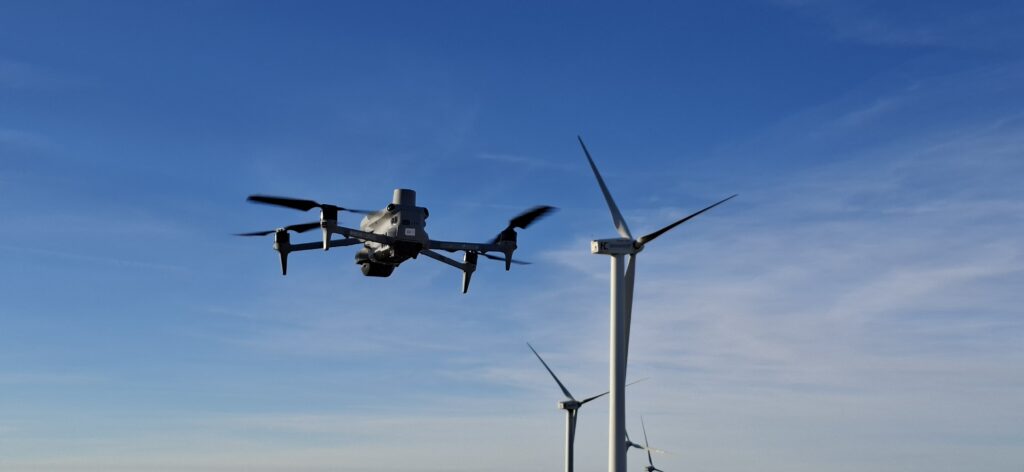
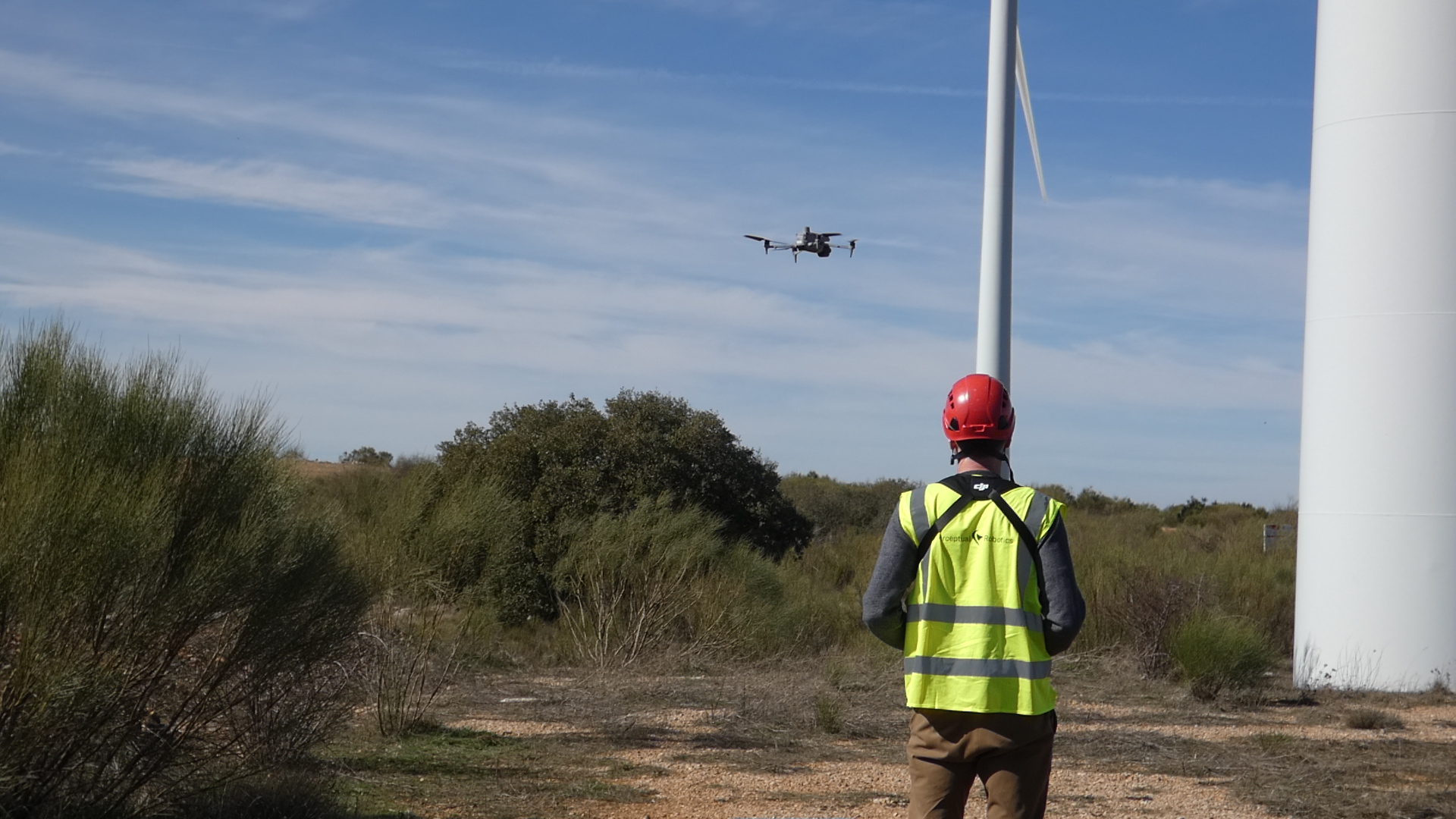
Its autonomous system captures high-resolution imagery through repeatable flight paths, ensuring consistent data collection every time. AI algorithms then detect, classify, and prioritise blade damages, while the platform delivers comprehensive reports within 48 hours, enabling operators to estimate repair costs, prioritise interventions, and make faster maintenance decisions.
The result is far more than a faster inspection process. Every assessment becomes part of a continuously evolving digital record of each turbine’s condition. Operators can compare results over time, monitor how defects progress, and identify issues before they develop into costly failures. Instead of reacting to damage after it occurs, they gain the insights needed to move towards predictive maintenance.
As Kostas Karachalios, CEO & Co-Founder of Perceptual Robotics, explains:
Continuous, data-driven asset management gives operators greater control over their assets, reduces maintenance and operational costs, enables earlier intervention, and helps maximise performance, reliability, and asset lifetime.
Beyond enabling predictive maintenance, the platform’s ability to generate consistent, repeatable data is fundamental to its value. Unlike traditional inspections, which can vary depending on weather conditions, pilot experience, or inspection methodology, Perceptual Robotics delivers repeatable, high-quality data that supports reliable condition monitoring throughout a turbine’s operational life.
The platform also improves operational efficiency by reducing dependence on specialised field crews, minimising high-risk manual work, shortening reporting cycles, and enabling faster, data-driven maintenance decisions.
In essence, Perceptual Robotics is not simply automating inspections. It is redefining how wind turbines are monitored and maintained throughout their operational life.
The Loggerhead Ventures Thesis
At Loggerhead Ventures, we invest in technologies that strengthen the systems underpinning the transition to a more sustainable economy. As renewable energy continues to scale globally, the challenge is no longer only building more infrastructure, but ensuring it operates reliably, efficiently, and sustainably over the long term. We believe the technologies enabling smarter asset management will become increasingly critical to the future of clean energy.
Perceptual Robotics stood out to us not only because of its technology, but because of the team behind it. Their deep technical expertise, clear understanding of the industry’s challenges, and ability to translate AI and robotics into a practical solution convinced us they were building something with lasting impact.
As Dr. Evangelos Kosmidis, CEO and General Partner of Loggerhead Ventures, explains:
What impressed us from the very beginning was the combination of an exceptional team and a technology that solves a real operational challenge. The Perceptual Robotics team understands that the future of wind energy is not only about building more turbines, but about operating them more intelligently throughout their lifecycle. At Loggerhead Ventures, we look for founders who combine deep technical expertise with the ability to solve critical industry problems, and Perceptual Robotics embodies exactly that.
For us, Perceptual Robotics represents the kind of enabling technology that quietly strengthens the resilience and efficiency of the clean energy transition. These are the companies we believe will create lasting value while helping entire industries operate more intelligently.